

The colour of a garment is more than just a design choice. The type of dye used can influence the textile’s appearance, production process, and overall sustainability.
Natural dyes have been used for centuries, while synthetic dyes are widely used today because they offer consistent colours and large-scale production.
What Are Natural Dyes?
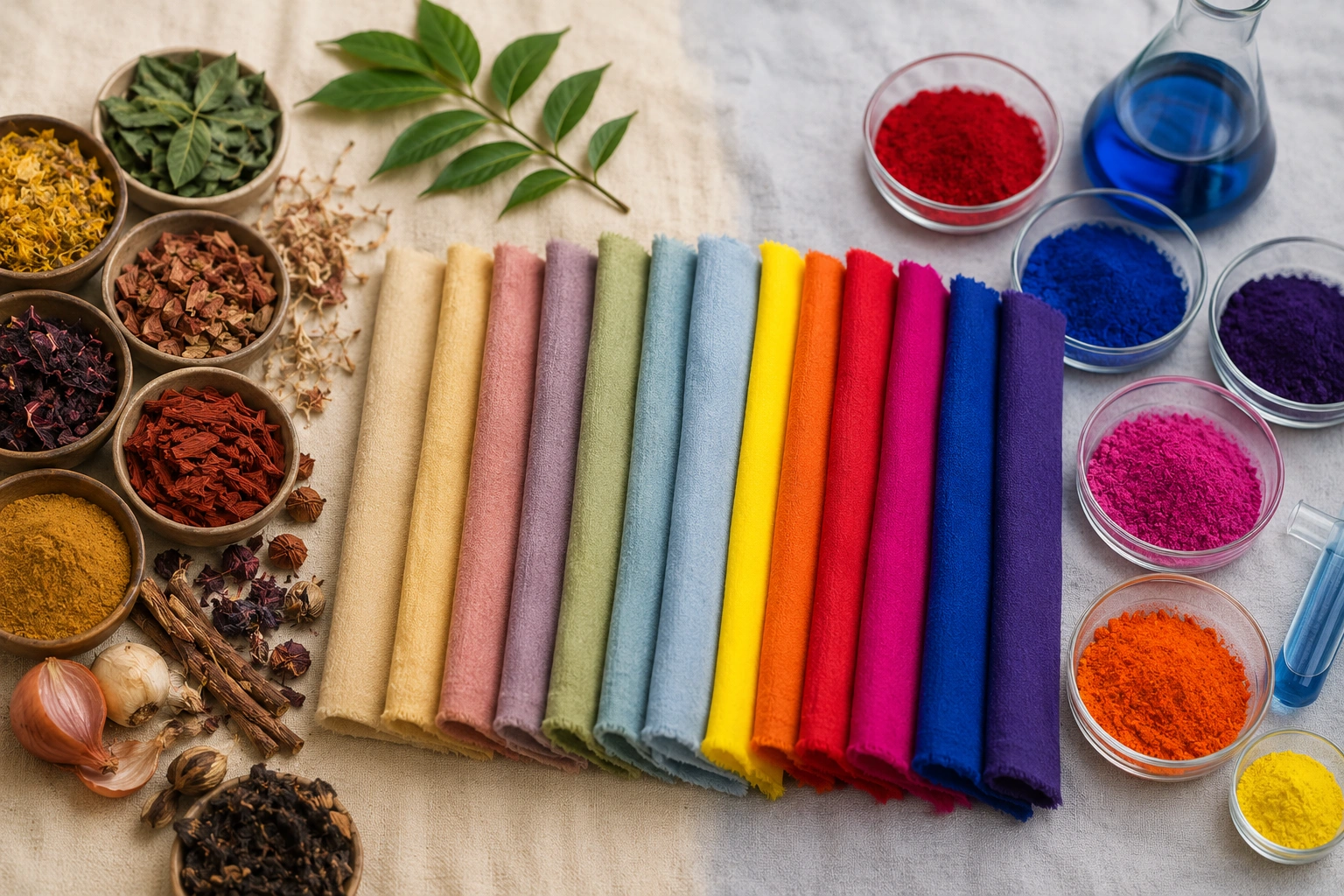
Natural dyes are colourants obtained from natural sources such as plants, roots, leaves, flowers, bark, and wood.
Common natural dye sources include:
- Indigo
- Sappanwood
- Manjistha
- Turmeric
- Pomegranate rind
- Onion skins
- Leaves and flowers
Natural dyeing also has a strong connection with traditional textile practices in India.
What Are Synthetic Dyes?
Synthetic dyes are manufactured colourants produced through chemical processes. They are widely used because they provide:
- Consistent colours
- A wide range of shades
- Good colour performance
- Large-scale production
- Repeatable results
However, textile dyeing can generate wastewater, making proper processing and wastewater management important.
Natural Dyes vs Synthetic Dyes
| Natural Dyes | Synthetic Dyes |
|---|---|
| Obtained from natural sources | Manufactured chemically |
| Often create subtle colour variations | Highly consistent colours |
| Connected with traditional textile practices | Designed for industrial production |
| Can have sourcing and processing challenges | Suitable for large-scale production |
| Colour fastness varies by dye and process | Often predictable colour performance |
Neither option can simply be labelled “good” or “bad.” The overall environmental impact depends on the complete dyeing process, including water, energy, materials, processing, and wastewater management.
Why Are Natural Dyes Becoming Popular?
Natural dyes are receiving renewed attention because of growing interest in:
- Plant-based colour sources
- Traditional textile practices
- Naturally dyed fabrics
- Conscious clothing
- Sustainable textile production
The subtle variations in naturally dyed fabrics can also give garments a distinctive character.
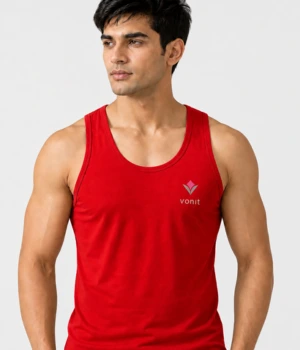
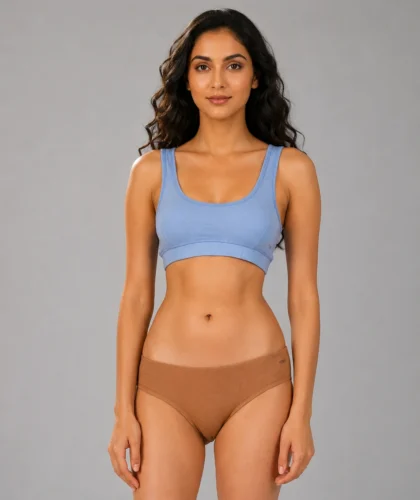
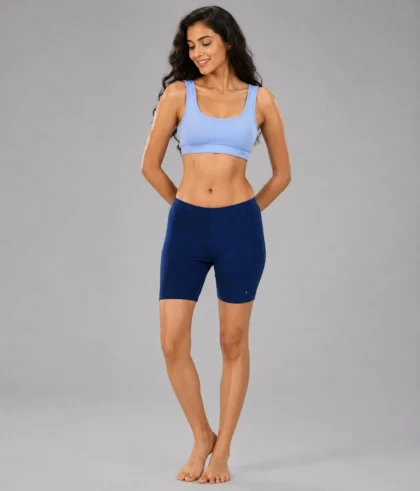
Natural-Dyed Clothing for Everyday Wear
Natural dyeing can be used across different clothing categories, including:
- Women’s bras and panties
- Men’s trunks and innerwear
- Kids’ clothing
- Sarees
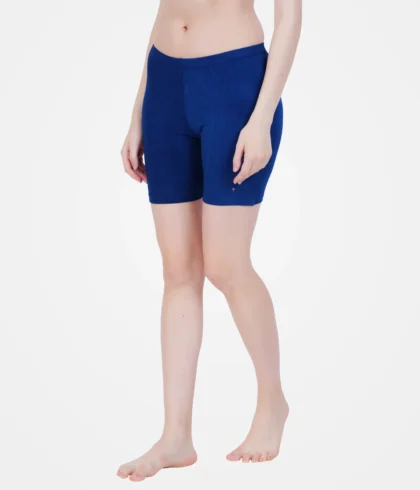
- Shorts and everyday apparel
For lingerie and innerwear, comfort, fabric, fit, construction, and care remain important considerations alongside the dyeing method.
How to Choose?
Choose naturally dyed clothing if you value plant-based colour sources, traditional craftsmanship, distinctive colours, and conscious textile choices.
Synthetic dyes may be more suitable when highly precise colour matching, bright shades, or large-scale consistency are required.
The best choice depends on the textile, production method, product requirements, and the values of the consumer.
Final Thoughts
Natural and synthetic dyes each have different characteristics and applications. Natural dyeing offers a connection to plant-based colour and textile heritage, while synthetic dyes provide consistency and scalability.
For consumers interested in conscious fashion, understanding how clothing is dyed can be an important part of making more informed choices.
Explore Vonit’s natural-dyed lingerie and discover a thoughtful approach to everyday clothing.