

Natural Dyes vs Synthetic Dyes: What’s the Difference?
Natural dyes vs synthetic dyes is an increasingly important topic for anyone interested in sustainable fashion, conscious clothing, and responsible textile production. The colour of a garment is more than a design choice—it is also connected to the materials, chemistry, water, energy, and processes used to create that colour.
Natural dyes have been used for centuries, with sources including plants, roots, leaves, bark, wood, flowers, minerals, and other naturally occurring materials. Synthetic dyes, developed through modern chemical manufacturing, transformed textile production by making it possible to produce consistent, vibrant colours at large scale.
So, what is the difference between natural and synthetic dyes? And which one is better for sustainable clothing?
The answer is more nuanced than simply calling one “good” and the other “bad.” The environmental profile of a dyed textile depends on the dye source, extraction method, auxiliaries or mordants, water and energy use, wastewater treatment, fibre, production scale, and how the finished garment is used and cared for.
For a sustainable clothing brand, understanding these differences is an important step toward making more informed textile choices.
What Are Natural Dyes?
Natural dyes are colourants obtained from naturally occurring sources. In textiles, plant-based sources are particularly important.
Common natural dye sources include:
Indigo
Sappanwood
Manjistha
Turmeric
Pomegranate rind
Onion skins
Leaves and flowers
Roots and bark
Other plant-based materials
Natural dyeing has a long history in India and across many textile traditions. Indigo, for example, has been used in Indian textile culture for centuries.
Unlike synthetic dyes, which are manufactured industrially, natural dyes begin with a biological or mineral source. However, the phrase “natural dye” does not automatically describe the entire environmental footprint of a garment. Extraction, mordanting, water consumption, energy use, cultivation or collection of dye materials, and wastewater management still matter.
Research reviews also highlight both the potential sustainability advantages and the practical limitations of natural dyes, including colour consistency, colour fastness, scalability, and processing requirements.
What Are Synthetic Dyes?
Synthetic dyes are manufactured colourants produced through chemical processes. They became widely adopted by the textile industry because they can deliver highly consistent colours, strong colour performance, a broad colour palette, and scalable production.
Modern synthetic dyes are available in different classes designed for particular fibres and applications.
Their advantages include:
Consistent colour reproduction
Wide colour selection
Strong colour performance for many applications
Large-scale production capability
Efficient repeatability
Compatibility with many textile fibres
Synthetic dyes remain dominant in textile manufacturing partly because of these performance and scalability advantages. Recent research continues to identify colour fastness, consistency, cost, and scalability as important reasons for their widespread use.
However, textile dyeing can create wastewater containing dyes and other processing substances. The environmental impact depends heavily on the specific chemistry and how wastewater is managed and treated.
Natural Dyes vs Synthetic Dyes: A Simple Comparison
| Factor | Natural Dyes | Synthetic Dyes |
|---|---|---|
| Source | Plants, minerals and other natural sources | Manufactured chemical compounds |
| Colour character | Often earthy, subtle and naturally varied | Often highly consistent and vibrant |
| Colour consistency | Can vary between batches | Generally highly consistent |
| Colour range | Dependent on available natural sources and processes | Very broad |
| Scalability | Can present sourcing and process challenges | Highly scalable |
| Colour fastness | Depends on dye, fibre and process | Often strong and predictable |
| Heritage | Strong connection to traditional textile practices | Associated with modern industrial dyeing |
| Sustainability potential | Can support plant-based and lower-impact approaches when responsibly managed | Depends strongly on chemistry, process controls and wastewater management |
| Processing | May require extraction and specific dyeing techniques | Industrially optimized processes are widely available |
| Best suited to | Conscious, artisanal and naturally dyed textile applications | High-volume and highly standardized textile production |
There is no universal rule that every natural dyeing process has a lower environmental impact than every synthetic dyeing process. A meaningful comparison requires looking at the complete dyeing system rather than only the word “natural.”
Why Are Natural Dyes Becoming Popular Again?
Natural dyeing is receiving renewed attention as consumers and textile businesses look for alternatives to conventional production methods.
Several factors are driving this interest.
1. Connection to Traditional Textile Practices
Natural dyeing is deeply connected to textile heritage in India and many other parts of the world.
Using plants and traditional colour sources creates a link between modern clothing and established craft knowledge.
2. Plant-Based Colour Sources
Natural dyes can be derived from renewable biological sources, particularly plants. Depending on how the source is cultivated, collected, processed and used, plant-based dyeing can form part of a more resource-conscious textile strategy.
3. Distinctive Colour Character
Naturally dyed textiles can have subtle variations in colour because the result can be influenced by the dye source, extraction conditions, fibre, water chemistry, temperature and dyeing method.
For some consumers, these variations are part of the appeal rather than an imperfection.
4. Growing Interest in Conscious Clothing
Consumers are increasingly asking questions about how clothing is made—not just what it looks like.
Questions such as:
What is the fabric made from?
How was it dyed?
Were plant-based dyes used?
How was the wastewater handled?
Was traditional craftsmanship involved?
Can the brand explain its production process?
are becoming increasingly relevant to sustainable fashion.
What Are the Limitations of Natural Dyes?
Natural dyes have genuine advantages, but they also have challenges.
Colour Consistency
Natural dye sources can vary depending on season, growing conditions, extraction and processing. This can make exact colour matching more difficult than with highly standardized synthetic dyes.
Colour Fastness
Some natural dyes can have lower wash or light fastness than synthetic alternatives, although performance varies considerably according to the dye, fibre, mordant, dyeing method and finishing process. Research continues to explore ways to improve the performance of naturally dyed textiles.
Scaling Production
Obtaining sufficient quantities of suitable natural dye materials and maintaining consistent production parameters can be challenging at industrial scale.
Processing Requirements
Natural dyeing is not simply a matter of placing fabric into a pot of plant material. Preparation, extraction, fibre preparation, dye-bath conditions, mordanting where applicable, temperature, time and after-treatment can all influence the result.
How Natural Dyeing Fits Into Sustainable Fashion
Sustainable fashion is bigger than choosing one type of dye.
A garment’s overall impact can involve:
Fibre → Spinning → Weaving/Knitting → Dyeing → Finishing → Garment Manufacturing → Packaging → Use → End of Life
Dyeing is one important part of this chain.
Research on textile sustainability identifies dyeing and finishing as important processing stages because wet processing can require significant water and energy and can generate wastewater that needs appropriate treatment.
That means sustainable textile production requires a broader approach.
A responsible strategy can include:
Choosing appropriate fibres
Reducing unnecessary processing
Selecting considered dyeing methods
Managing water responsibly
Treating wastewater appropriately
Reducing hazardous substances
Supporting skilled textile workers
Improving garment durability
Encouraging longer product use
Reducing unnecessary textile waste
Natural Dyes in Everyday Clothing
Natural dyeing does not have to be limited to special occasion or artisanal garments.
It can be used across everyday clothing categories, including:
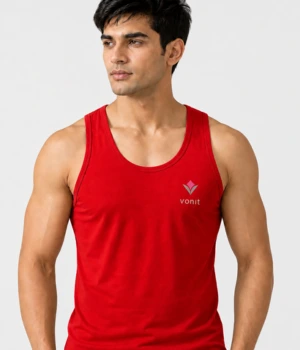
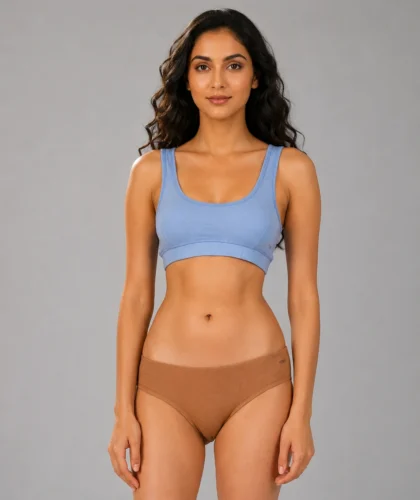
Women’s Innerwear
Naturally dyed bras, panties and other innerwear can introduce plant-based colour choices into everyday wardrobes.
For innerwear, comfort, fabric construction, fit and appropriate product testing remain important considerations. Natural dyeing alone should not be presented as a medical or therapeutic benefit.
Men’s Innerwear
Naturally dyed men’s trunks and other innerwear can combine everyday functionality with a conscious textile approach.
The focus should remain on:
Comfortable fit
Breathability
Fabric feel
Freedom of movement
Appropriate construction
Responsible dyeing
Kids’ Innerwear
For children’s clothing, parents generally need practical information about fabric, fit, comfort, construction and care.
Natural dyeing can be part of the product story, but it should not be used to make unsupported health or medical claims.
Sarees
Naturally dyed sarees offer an especially strong connection between contemporary sustainable fashion and India’s textile heritage.
The natural variation created during dyeing can complement handwoven or traditionally produced textiles.
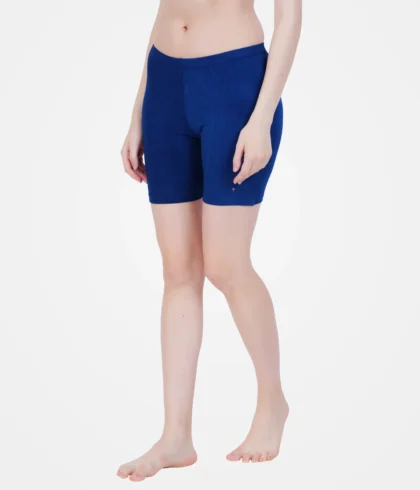
Everyday Apparel
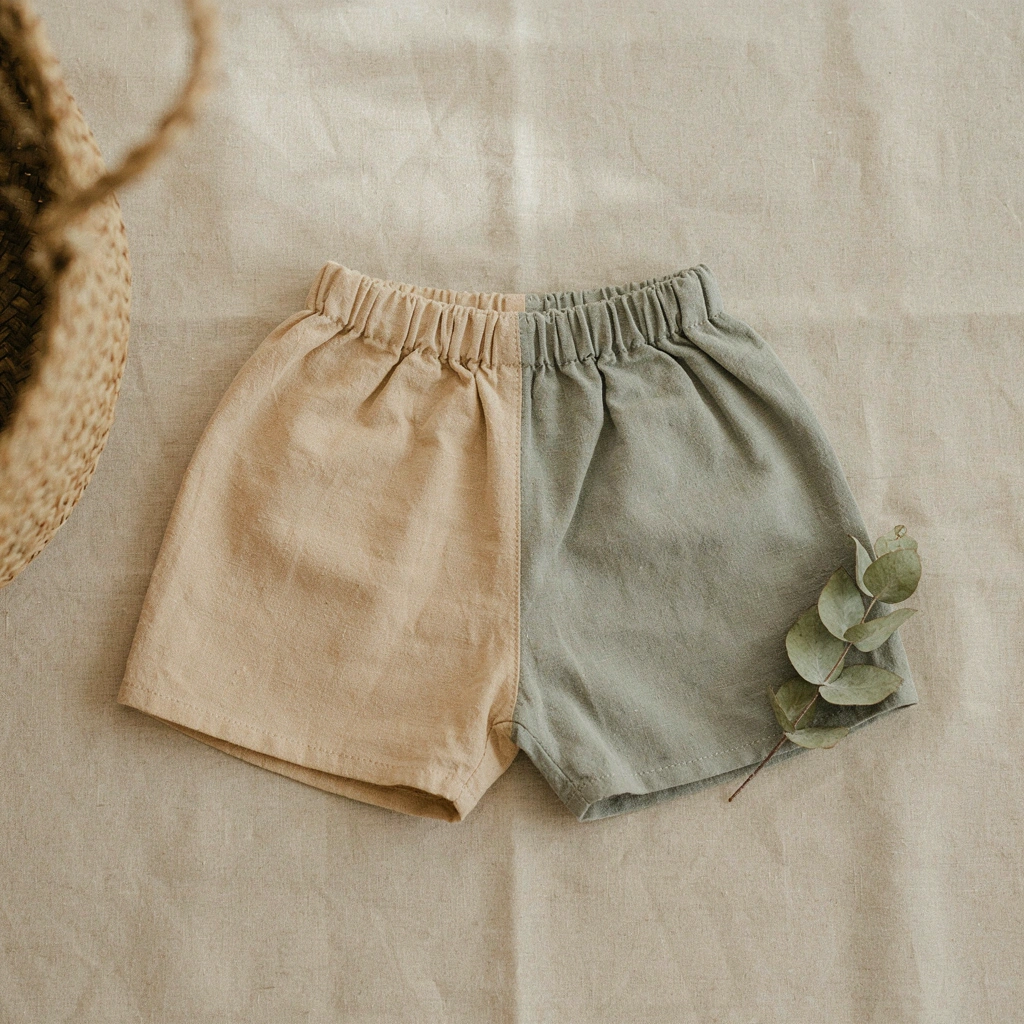
Shorts and other everyday clothing can also incorporate naturally dyed fabrics, giving consumers more opportunities to build a conscious wardrobe without changing their entire personal style.
How to Choose Between Natural and Synthetic Dyes
The right choice depends on what you need from the textile.
Choose Natural-Dyed Clothing When You Value:
Plant-based colour sources
Natural dyeing traditions
Subtle and distinctive colour character
Sustainable textile practices
Traditional craftsmanship
A more conscious approach to clothing
Synthetic Dyeing May Be Preferred When You Need:
Extremely precise colour matching
Large-scale colour consistency
Very specific bright shades
Highly predictable production
Certain performance requirements
Synthetic dyes have important industrial advantages, which is why they continue to play a major role in modern textile production.
The goal of sustainable fashion should therefore be informed decision-making rather than oversimplified claims.
The Future of Natural Dyeing
Natural dyeing is not simply about returning to the past.
The future lies in combining traditional knowledge with textile science, process control, responsible sourcing and better production systems.
Current research is exploring ways to improve natural dye extraction, colour performance, biomordants, scalability and environmental performance. At the same time, the textile industry is also developing lower-impact synthetic dyeing and other alternatives.
This means the future of sustainable textile colour may not be based on a single solution.
Instead, progress will come from understanding the full production system and selecting the most appropriate process for each application.
Why Are Natural Dyes Becoming Popular Again?
Natural dyeing is receiving renewed attention as consumers and textile businesses look for alternatives to conventional production methods.
Several factors are driving this interest.
1. Connection to Traditional Textile Practices
Natural dyeing is deeply connected to textile heritage in India and many other parts of the world.
Using plants and traditional colour sources creates a link between modern clothing and established craft knowledge.
2. Plant-Based Colour Sources
Natural dyes can be derived from renewable biological sources, particularly plants. Depending on how the source is cultivated, collected, processed and used, plant-based dyeing can form part of a more resource-conscious textile strategy.
3. Distinctive Colour Character
Naturally dyed textiles can have subtle variations in colour because the result can be influenced by the dye source, extraction conditions, fibre, water chemistry, temperature and dyeing method.
For some consumers, these variations are part of the appeal rather than an imperfection.
4. Growing Interest in Conscious Clothing
Consumers are increasingly asking questions about how clothing is made—not just what it looks like.